
The impact of technology on modern recruitment strategies
In today’s rapidly evolving job market, technology plays a pivotal role in shaping recruitment strategies. The integration of innovative tools and platforms has not only streamlined the hiring process but has also transformed the way recruitment agencies connect with potential candidates. This technological revolution has lead to more efficient, effective, and inclusive recruitment practices, benefiting both employers and job seekers alike.
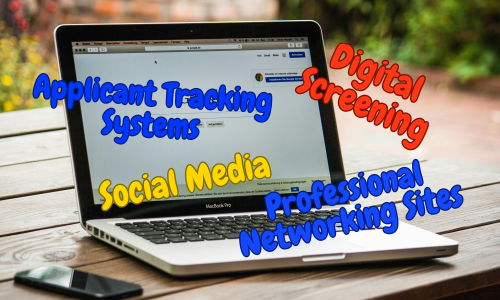
One of the most significant impacts of technology on recruitment is the enhanced ability to reach a wider pool of candidates. Digital platforms, social media, and professional networking sites allow recruiters to advertise vacancies to a global audience. This broader outreach is particularly beneficial for finding candidates with niche skills or for roles that are challenging to fill locally. Moreover, technology enables passive recruitment, allowing recruiters to approach individuals who may not be actively searching for a new role but are open to opportunities.
Another area where technology has made a considerable impact is in the screening and selection process. Applicant tracking systems (ATS) and artificial intelligence (AI) have revolutionised the way applications are processed. These technologies can quickly analyse resumes, evaluate candidate compatibility based on predefined criteria, and even predict a candidate’s success in a role. This not only saves recruiters a significant amount of time but also reduces the likelihood of human bias, leading to more diverse and equitable hiring practices.
Furthermore, technology has facilitated the adoption of more sophisticated assessment methods. Online tests, virtual reality simulations, and video interviewing platforms allow recruiters to evaluate candidates skills, personality, and fit for the company culture in more depth than traditional interviews. This shift towards competency-based hiring helps ensure that the best candidates are selected, improving employee retention and satisfaction rates.
The impact of technology on recruitment is also evident in the enhanced candidate experience it provides. Automated communication tools keep applicants informed throughout the hiring process, while mobile applications make it easier for candidates to browse and apply for jobs. This responsiveness and convenience contribute to a positive perception of the employer brand, attracting more high-quality candidates.
In conclusion, the influence of technology on modern recruitment strategies is profound and multifaceted. By leveraging digital tools and platforms, recruitment agencies can enhance their efficiency, reach, and the quality of their hires. As technology continues to evolve , it will undoubtedly shape the future of recruitment, driving further innovations in how we connect employers with the talent they need.